
IPOD Abstract for presentation (Poster or Podium)
Highway Construction
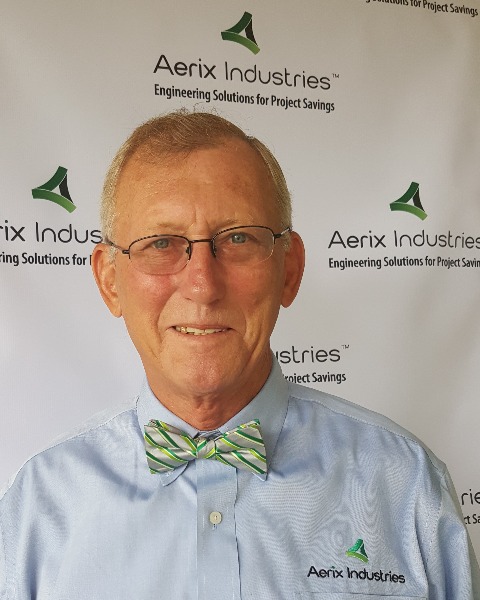
Nico Sutmoller, M. ASCE
Dir. of Sustainability and Resilience
Aerix Industries
Allentown, PA, United States
Nico Sutmoller, M. ASCE
Dir. of Sustainability and Resilience
Aerix Industries
Allentown, PA, United States
Nico Sutmoller, M. ASCE
Dir. of Sustainability and Resilience
Aerix Industries
Allentown, PA, United States
In an important Policy Statement, the American Society of Civil Engineers (ASCE) recognizes that sustainability is an inclusive concept that seeks to balance the three main pillars of economic, environmental, and social conditions. To achieve this ideal “Triple Bottom Line” that defines sustainability, today’s infrastructure must be durable, safe, reliable, resilient, and have a low life-cycle cost. This will require all architects, engineers, and contractors to make a concerted effort to select materials and construction practices that minimize carbon emissions. As an example, geotechnical engineers have the option of selecting numerous strong, lightweight, durable, and inexpensive alternatives to soil or fill replacement that not only meet project requirements but can also lower the overall project’s carbon footprint.
One widely accepted fill material that can contribute to the sustainability of any project is low-density cellular concrete, or LDCC. LDCC is an engineered mixture of portland cement, water, and preformed foam that results in a hardened material having an oven-dry density of 50 lb/ft3 (800 kg/m3) or less. These mixtures may incorporate aggregates and other material components including, but not limited to, recycled plastics, supplementary cementitious materials such as fly ash and slag, and chemical admixtures. Through advanced engineered cement and foam technologies, the ingredients that make up LDCC can be selected to not only optimize performance in the field but also reduce a great deal of the adverse CO2 impacts often associated with using LDCC.
The presentation will also focus in on Limestone Cement and the impact that it has had on the industry and the importance of understanding the written specification.
Project histories involving the use of LDCC at the New Orleans (LA) Airport, Foster City (CA) Levee Renovations, West Eloise Dr. (FL) and a few others will be discussed to showcase how they relate to the tenets of sustainable infrastructure while helping to achieve carbon neutrality in real world applications. Emerging technologies will be introduced as well as how traditional LDCC technology is advancing to meet challenging project parameters. An examination will be made of the vital role LDCC plays in the cement and concrete industries’ roadmap to carbon neutrality by 2050.