
Abstract for presentation (Poster or Podium)
Sustainable Transportation & Urban Development
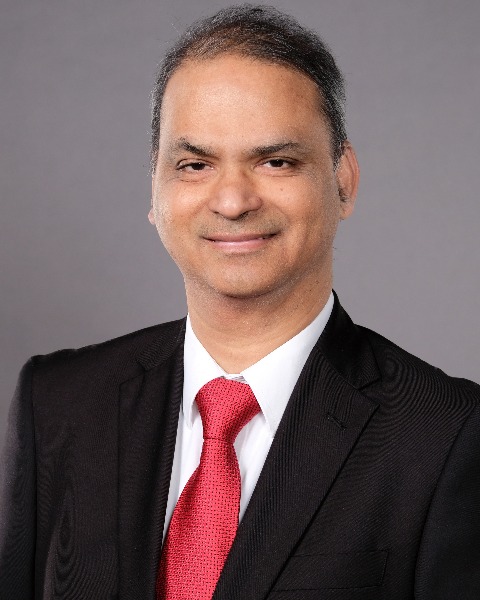
Amiy Varma, Ph.D, PE, AICP, PTOE, M.ASCE (he/him/his)
President
AAAJ LLC
Fargo, ND, United States
Amiy Varma, Ph.D, PE, AICP, PTOE, M.ASCE (he/him/his)
President
AAAJ LLC
Fargo, ND, United States
Amiy Varma, Ph.D, PE, AICP, PTOE, M.ASCE (he/him/his)
President
AAAJ LLC
Fargo, ND, United States
Since 2006 emphasis on resilience started, primarily through the concerted effort to call for action to adapt and address climate change concerns and the advocacy at the global level to make cities resilient. Since then, through increased efforts and funding, the state of the art for resilience has been enhanced for integrating resilience in planning, mainstreaming it within DOTS, and making infrastructure and communities resilient. Much of the focus in improving the resilience of the transportation system has been on infrastructure investments for hardening or redesigning critical infrastructure elements to ensure that they survive deliberate attacks or natural or human-caused events. While this is important – less attention has been afforded to the need to address resilience as a major element in the operations and management of the transportation system (at all levels of government) to identify less costly and time-consuming operational strategies, tools, scalable approaches, or partnerships. A key problem is that resilience is generally larger than a single asset or event and requires coordination among multiple agencies, jurisdictions, funding sources, and transportation modes. This presentation will discuss various aspects of operations and management of the transportation system relevant and related to operational vulnerabilities and risk and the integration of resilience into operations planning for known, forecasted, and unknown disruptive events. The presentation will identify the extent to which operational resilience is considered within DOTs and what capability gaps. Based on the literature review, survey responses from 48 out of 50 DOTs, interviews with 21 DOTs, and several case studies, the presentation will highlight takeaways, challenges, best practices, knowledge and practice gaps, lessons learned, and potential action strategies needed to address gaps.