
Abstract for presentation (Poster or Podium)
Public Transport
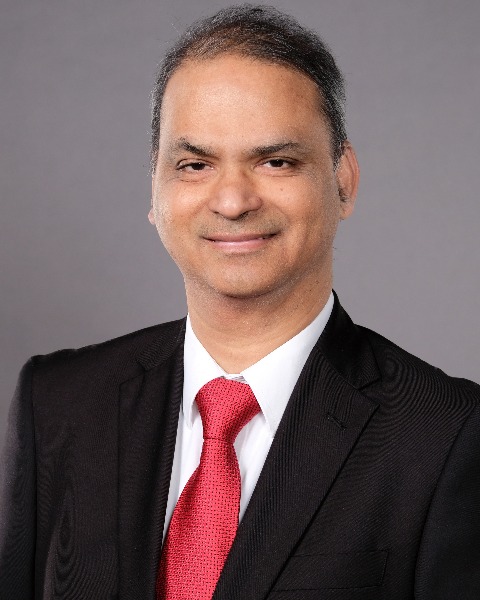
Amiy Varma, Ph.D, PE, AICP, PTOE, M.ASCE (he/him/his)
President
AAAJ LLC
Fargo, ND, United States
Amiy Varma, Ph.D, PE, AICP, PTOE, M.ASCE (he/him/his)
President
AAAJ LLC
Fargo, ND, United States
Amiy Varma, Ph.D, PE, AICP, PTOE, M.ASCE (he/him/his)
President
AAAJ LLC
Fargo, ND, United States
While the highway-rail grade crossing (HRGC) collision rate has fallen steadily since 1980, opportunities remain to further improve grade crossing safety through a mix of engineering, education, and enforcement of applicable traffic laws. At the same time, traffic blockages have increased and adversely (and in some instances critically) impacted traffic and emergency operations. The safety situation is exacerbated by persistent and prevalent trespassing incidents. There is a greater emphasis on grade crossing elimination through closures or grade separations where it is cost-effective, and funding is available. Electronic surveillance of HRGC has been increasingly employed to monitor grade crossings to develop a better understanding, metrics, and actionable information to make sound decisions for improvements and investments. The information gained from the analysis of the surveillance data can then enhance engineering, education, and enforcement efforts for safety, security, and mobility. A broad array of traditional and innovative surveillance technologies was assessed for their applicability in at variety of HRGC contexts within Light rail transit, heavy rail transit, commuter rail, and freight rail corridors. The takeaways from the analyses of the literature review, survey responses, interviews, and case studies will be shared to identify challenges, best practices, knowledge and practice gaps, and action strategies in improving mobility and safety at and in the vicinity of HRGCs.