
IPOD Abstract for presentation (Poster or Podium)
Workforce Development, Diversity and Inclusion
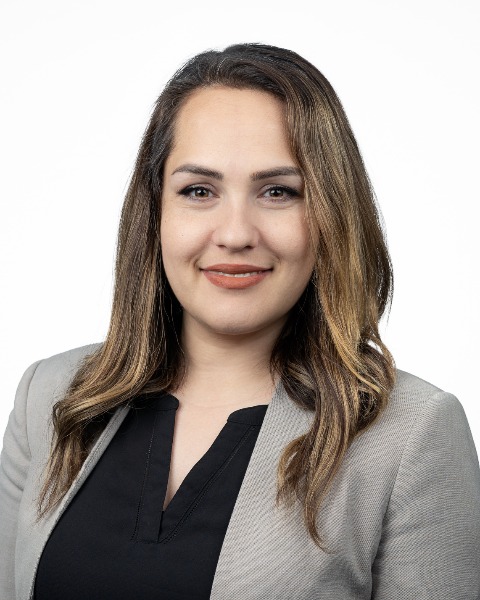
Farangis Kakar, PMP (she/her/hers)
Lead Consultant
WSP - USA
Concord, CA, United States
Farangis Kakar
WSP - USA
Concord, California, United States
Increasing the pool of candidates to solve the workforce shortage
The engineering and design industry in the United States continues to face a significant shortage of skilled workers, including engineers, designers, and project managers. According to the U.S. Bureau of Labor Statistics, the engineering field is expected to have a shortage of around 222,000 workers by 2026 and the American Society of Civil Engineers (ASCE) estimates a shortage of nearly 2 million workers in the engineering and design fields by 2025. Both public and private entities know too well that such shortages can lead to significant delays in projects, increased costs, and impact the ability to address the backlog of aging infrastructure.
There are a number of well-known factors contributing to the shortage of skilled workers such as the aging workforce and a lack of interest among younger generations. But an often overlooked obstacle is the minimum requirements and current candidate filtration limits the pool of candidates. As a speaker at APTA Rail 2023, I would like to discuss the following question: How can the rail and engineering industry in North America evolve the criteria to increase the pool of candidates to be more equitable and inclusive of all professional and personal backgrounds?
Take me for example: I am immigrant mother of two with a bachelor’s degree from Afghanistan with no professional licenses. My resume simply can’t pass the current candidate filtration criteria, even though I am now a valued lead consultant for a respected engineering firm able to support my family and pay my share of taxes. I was one of the lucky few to get a foothold through my network, but there are countless others with similar backgrounds that haven’t been as lucky. The untapped potential in the workforce is significant if the industry can restructure the definition of what makes a good candidate. I believe that engineering is a very transferable subject – the basic discipline is same all around the world. I’d very much appreciate the opportunity to start a dialogue with APTA Rail attendees on how we can better adopt an evolved philosophy into the engineering candidate system: “360 degrees is 360 degrees everywhere”.