
Abstract for presentation (Poster or Podium) with a Paper in the Conference Proceedings
CAV Impacts
.jpg "David A. Noyce, Ph.D. photo")
David A. Noyce, Ph.D.
Executive Associate Dean and Arthur F. Hawnn Professor
University of Wisconsin-Madison
Madison, Wisconsin, United States
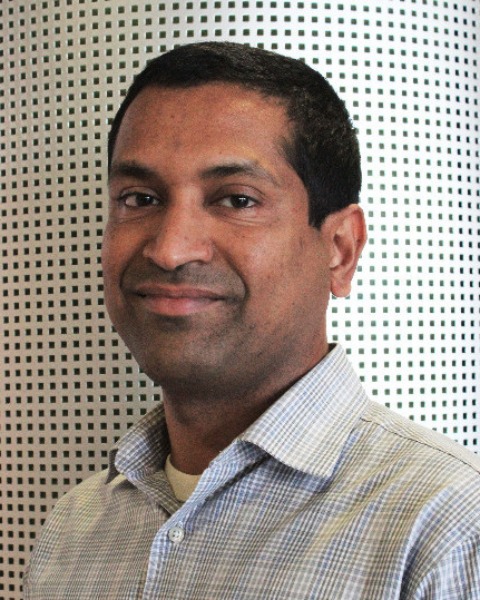
Madhav Chitturi, PhD
Research Scientist
University of Wisconsin - Madison
Madison, Wisconsin, United States
Cesar Luis Andriola, n/a
Graduate Research Assistant
UW-Madison
Madison, Wisconsin, United States
Cesar Luis Andriola
UW-Madison
Madison, Wisconsin, United States
The proliferation of Autonomous Vehicles (AVs) is anticipated to mitigate crashes by minimizing human error. However, this trend may give rise to novel types of collisions deriving from the limitations of the technology and the intricate interactions between AVs and traditionally human-operated vehicles. This study focused on discerning the disparities within crashes involving AVs during Automated and Manual Modes. To achieve this, sequence of events data extracted from California AV collision reports were used. A crash sequence of events describes the AV's interactions with other road users before a collision in a temporal manner. Employing sequence analysis and clustering, a comprehensive evaluation was conducted on 563 AV-related crashes, occurring in both automatic and manual driving modes. These incidents were reported to the California Department of Motor Vehicles, spanning a period from 2015 to July 2023. The findings revealed that accidents in both Automated and Manual Modes can be classified into 12 distinct groups. While there is a parity in the number of these clusters, only specific clusters displayed significant similarities between Autonomous and Manual Modes. These similarities pointed to potential challenges in the technology or potentially dangerous behavior of human-driven vehicles in the presence of AVs. Conversely, there were clusters where noticeable disparities existed. Notably, crashes involving Autonomous Mode often involved recurring patterns such as disengagements and a noticeable level of "hesitation." In contrast, Manual Mode Crashes featured clusters where the ego vehicle (operating in manual mode) initiates the collision, a rare scenario in Automated mode. In this context, the use of sequence of events allows for the observations of trends that might not be clear in the original features of the data, allowing for a better understanding of the impact and challenges of AV development and deployment.