
Abstract for presentation (Poster or Podium) with a Paper in the Conference Proceedings
Social Equity, Justice, and Welfare
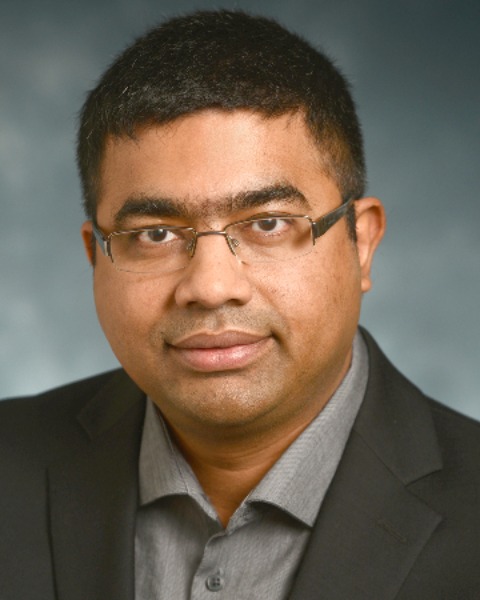
Subasish Das, PhD
Assistant Professor
Texas State University
San Antonio, TX, United States
Jett Tipsword, Student
Undergraduate Research Assistant
Texas State University
San Marcos, Texas, United States
Boniphace Kutela, n/a
Assistant Research Scientist
Texas A&M Transportation Institute
Bryan, Texas, United States
Subasish Das, PhD
Assistant Professor
Texas State University
San Antonio, TX, United States
The 15-minute city concept promotes active transportation and sustainable lifestyles by ensuring essential amenities within a 15-minute radius from residences. While attracting significant interest, concerns about potential limitations on freedom of movement have been raised. Nevertheless, the concept shows promise in fostering equity, building stronger communities, and bridging the gap between urban and suburban areas. On social media, particularly platforms like Twitter (now known as X), the hashtag '#15minutecities' has emerged as a prominent hub for discussions and dialogue on this innovative urban planning approach. A comprehensive study was conducted to gain deeper insights into public perceptions and understanding of the 15-minute city concept. Over 20,000 tweets associated with the '#15minutecities' hashtag were collected, forming a rich dataset for analysis. Text mining and sentiment analysis techniques were applied to extract prevailing sentiments. The study found that positive and negative sentiments were evenly distributed among the collected tweets, suggesting a balanced and diverse range of opinions on the 15-minute city concept. To further enhance the analysis, three different machine learning classifiers, namely Naïve Bayes, Logistic Regression, and Support Vector Machine, were employed to classify the sentiments expressed in the tweets. The classifiers exhibited a commendable accuracy rate of around 90% in determining the sentiments associated with the tweets, thereby ensuring robustness in the analysis. The framework developed in this study and the insights derived from the sentiment analysis offers valuable resources for policymakers and urban planners seeking to comprehend and embrace emerging urban concepts like the 15-minute city.